
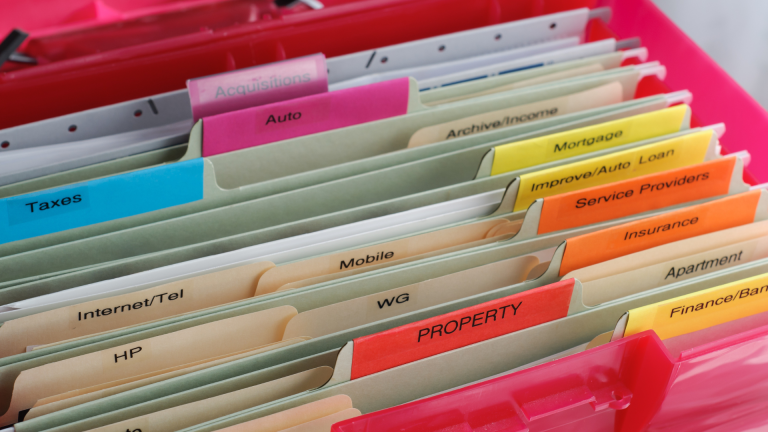
Every business collects documents. Some are essential, others become outdated over time, but all of them carry some level of responsibility. The real challenge isn’t just storing records—it’s knowing how long to keep them and when to destroy securely.
Without a clear document retention policy, businesses often fall into one of two traps: holding onto documents far longer than necessary or disposing of them too early. Both scenarios can create serious risks, from compliance violations to data breaches.
If your organization doesn’t have a structured approach to document retention and destruction, now is the time to build one.
What Is a Document Retention Policy?
A document retention policy is a set of guidelines that defines:
- What documents your business keeps
- How long those documents are stored
- When and how they are securely destroyed
It acts as a roadmap for managing information throughout its lifecycle, from creation to disposal. Secure document destruction should be a core part of any organization’s data security strategy, not an afterthought.
Why Your Business Needs a Retention Policy
It’s easy to underestimate the impact of unmanaged records. Over time, unused documents can pile up, creating clutter, but more importantly, they increase your risk exposure. A strong retention policy helps your business:
- Reduce the risk of data breaches
- Stay compliant with industry regulations
- Improve organization and efficiency
- Free up valuable storage space
- Protect sensitive customer and employee information
In many industries, secure disposal is not optional—it’s required. Regulations such as HIPAA and other data protection laws mandate proper handling and destruction of sensitive records.
Common Types of Business Documents and Retention Timelines
Not all documents are created equal. Some need to be kept for years, while others can be safely destroyed much sooner.
Financial Records
Documents like tax returns, invoices, and receipts are typically retained for 3 to 7 years, depending on regulatory requirements.
Employee Records
Payroll records, employment agreements, and HR documents often need to be kept for several years after employment ends.
Legal Documents
Contracts, agreements, and corporate records may need to be stored for extended periods or even permanently in some cases.
Operational Documents
Every day, paperwork such as internal memos or outdated reports can usually be discarded once they are no longer relevant.
When Should You Shred Documents?
Knowing when to shred is just as important as knowing what to keep. Once documents have reached the end of their retention period and are no longer needed, they should be securely destroyed immediately. Holding onto unnecessary documents increases risk without adding value.
Why Secure Shredding Is Essential
Simply discarding documents is not enough. Sensitive information can easily be recovered from improperly disposed of materials. Secure shredding ensures that:
- Documents are destroyed
- Information cannot be reconstructed
- Your business remains compliant
- Confidentiality is maintained
Professional shredding services use specialized equipment and strict processes to guarantee destruction—something in-house shredders often cannot achieve.
Scheduled Shredding vs One-Time Purge: What’s Right for You?
Different businesses have different needs when it comes to document destruction.
Scheduled Shredding
For organizations that regularly handle sensitive information, scheduled shredding is the most effective solution:
- Provides consistent, ongoing protection
- Prevents document buildup
- Integrates seamlessly into daily operations
Many businesses choose monthly or recurring services to maintain security and efficiency.
One-Time Purge Shredding
If your office has accumulated years of files, a one-time purge is a practical way to reset. This is ideal for:
- Office cleanouts
- Moving locations
- Transitioning to digital storage
Common Mistakes Businesses Make
Even with good intentions, businesses often make avoidable mistakes when managing documents:
- Keeping documents longer than necessary
- Failing to implement a retention policy
- Using unsecured disposal methods
- Overlooking electronic data stored on devices
- Not training employees on proper procedures
These gaps can lead to unnecessary risk and compliance issues.
Don’t Forget About Digital Data
While paper documents are often the focus, electronic data also needs proper handling. Deleting files is not enough—data can still be recovered unless devices are physically destroyed. A comprehensive retention policy should include both physical and digital records.
How to Get Started
Creating a document retention policy doesn’t have to be complicated. Start with these steps:
- Identify the types of documents your business handles
- Assign retention timelines based on legal and operational needs
- Establish secure storage practices
- Define clear shredding and destruction procedures
- Partner with a professional shredding provider
Consistency is key. Once your policy is in place, it should be followed across all departments.
Build a More Secure and Efficient Workplace
Managing documents effectively is about more than organization. It’s about protecting your business, your employees, and your clients. By combining a clear retention policy with secure shredding practices, you create a system that reduces risk, improves efficiency, and ensures compliance.
Partner with Secured Document Shredding
At Secured Document Shredding, we help businesses simplify document management with secure, reliable shredding solutions tailored to your needs. Whether you need scheduled shredding or a one-time purge, our team ensures your confidential information is handled with the highest level of security. Contact us today to schedule your shredding service or request a quote.